

-

The Significance of Surface Roughness in CNC Turned Parts
In the field of precision engineering, the production of turned parts requires meticulous attention to detail, especially in terms of surface roughness. At our factory, we recognize that it is critical to achieve specified surface roughness values for our custom precision CNC turned parts. Wit...Read more -

The differences of Chemical coating and Anodizing on Aluminum
In our production practice ,we deal lots of customized coating for different parts everyday. Chemical coating and anodizing are 2 of the most commonly used for aluminum machined parts and aluminum sheet metal parts. Chemical coating and anodizing are two different processes used to form a protec...Read more -

How to select a bend radius for precision sheet metal parts
When selecting a bend radius for precision sheet metal manufacturing, it is important to consider the specific requirements of the manufacturing process and the characteristics of the sheet metal being used. Here are some steps to help you choose the appropriate bend radius for precision sheet me...Read more -

Main Sheet Metal Bending Factors
When creating drawings for sheet metal production, several key bending factors need to be considered to ensure the manufacturability and accuracy of the final parts. Here are the main bending factors to consider when drawing for sheet metal production: 1. Bend Allowance and Bend Deduction: Calc...Read more -

Why we have to creat new production drawings for sheet metal parts before manufacturing
In sheet metal fabrication, the process of creating new production drawings, including cutting flat patterns, bending drawings, and forming drawings, is critical for the following reasons: 1. Manufacturability and Production Optimization: Design drawings may not always be directly translatable...Read more -

The work experience and technical level plays a key role in precision sheet metal bending
The work experience and technical level of bending technical workers have a significant impact on the sheet metal bending process. Here are some of the key areas where their expertise plays a key role: 1.Tooling Selection: Experienced bending technical workers can effectively select appropria...Read more -

Precision Sheet Metal Bending
Sheet metal bending is a common manufacturing process used to create a variety of components and products. The process involves deforming a sheet of metal by applying force to it, usually using a press brake or similar machine. The following is an overview of the sheet metal bending process: ...Read more -

4 different assembly methods for sheet metal parts
There are a variety of assembly methods for sheet metal parts, each with its own advantages and disadvantages. Some common assembly methods include welding, riveting, adhesive bonding, clinching. Here are more details about these sheet metal assembly methods. 1. Welding Sheet metal welding...Read more -

CNC Machining Tool Wear Navigation: Maintaining Part Accuracy in precision machining
In the field of custom manufacturing, especially in precision sheet metal and CNC machining, the impact of tool wear on part accuracy is a key consideration that directly affects the quality of the final product. At HY Metals, we are committed to adhering to the highest quality management and pre...Read more -

A quality-assured metal components manufacturer: A closer look at HY Metals’ ISO9001 journey
In the highly competitive world of custom manufacturing, quality management plays a key role in ensuring customer satisfaction, operational efficiency and overall business success. At HY Metals, our commitment to quality management is reflected in our ISO9001:2015 certification, which is a testam...Read more -

Why choose to perform sheet metal prototyping in China?
The customers often choose to perform sheet metal prototyping in China for several reasons: 1.Cost-Effectiveness Compared to the West, China is generally considered cost-effective in customizing sheet metal prototypes for the following reasons: Labor costs: China’s labor costs are generally l...Read more -
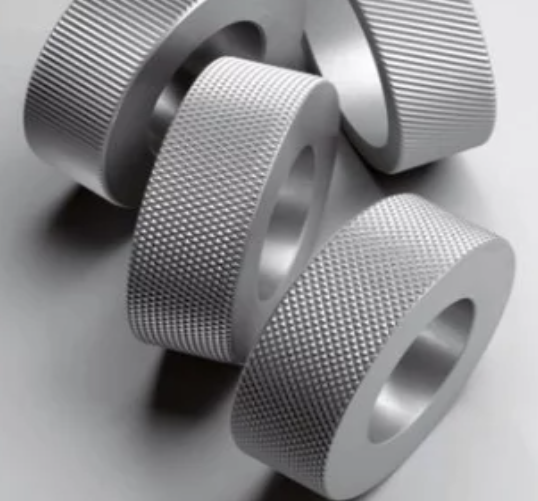
Learn about Knurling for CNC turning parts
What is Knurling? Knurling is a key process for precision turned parts, providing a textured surface that enhances grip and appearance. It involves creating a pattern of straight, angular or diamond-shaped lines on the surface of a workpiece, usually using a lathe or knurling tool. The process ...Read more
